 Chat with us

Call us now :07971671008
 Send Inquiry
surgical wheel chair
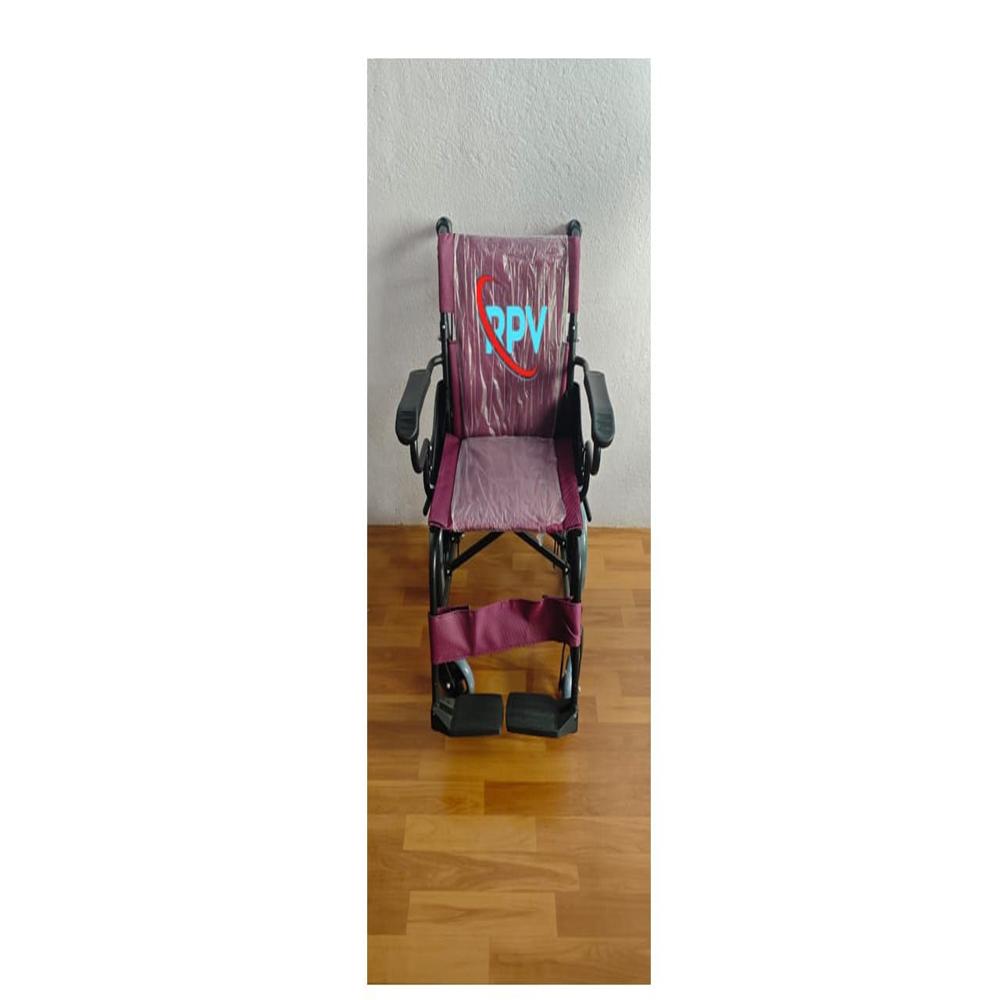
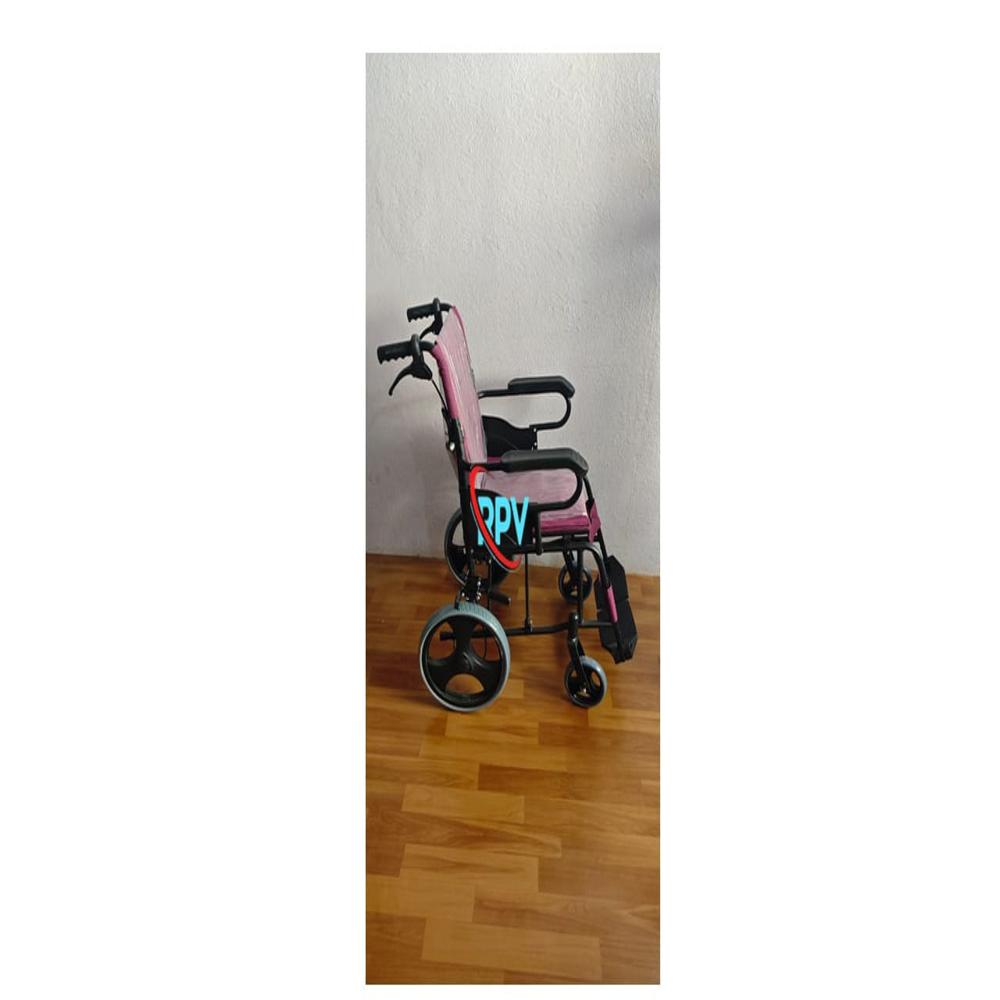
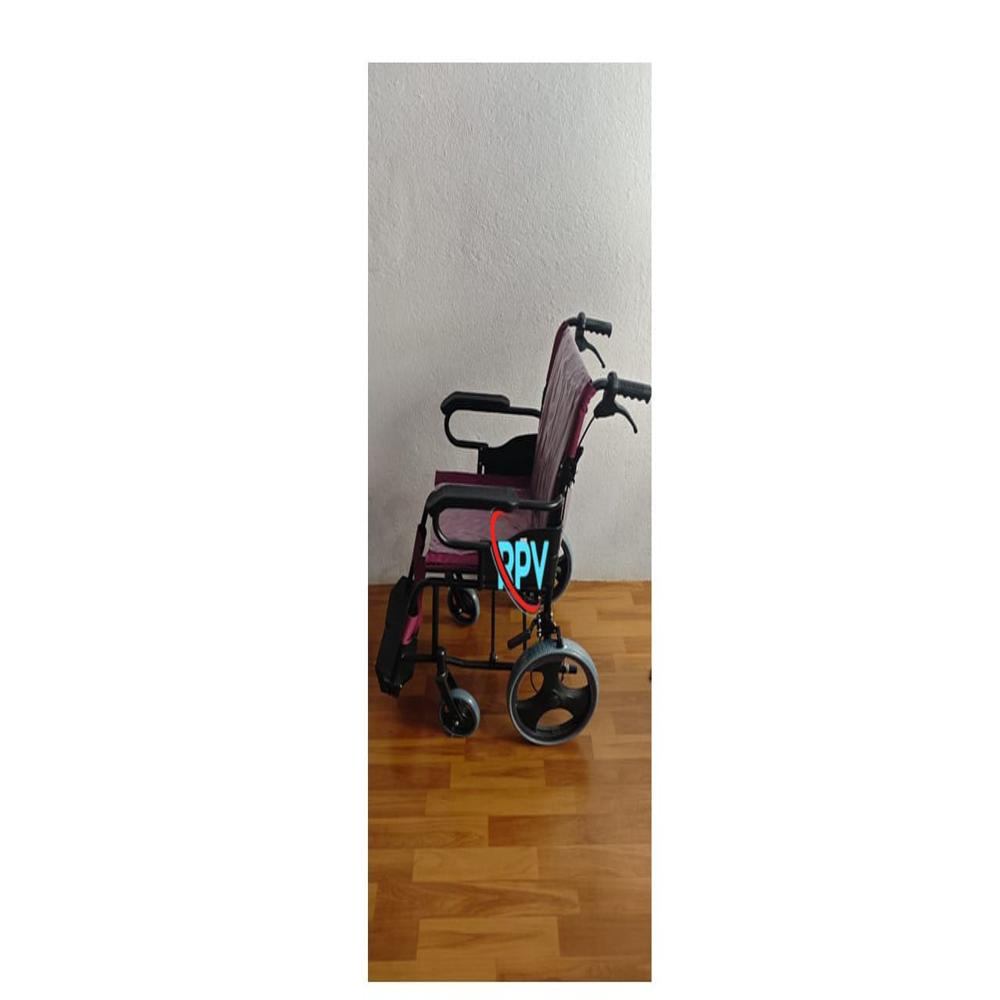
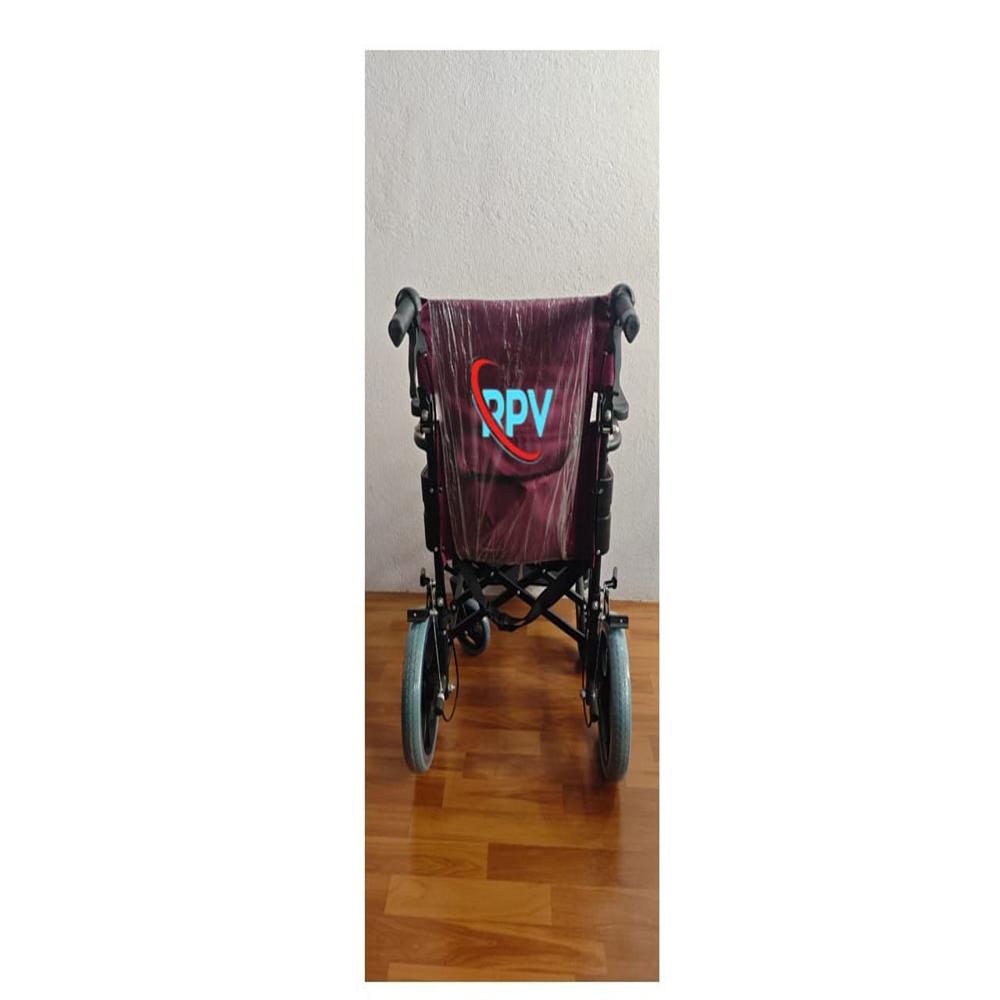

surgical wheel chair Specification
- Condition
- New
- Portable
- Yes
- Foldable
- Yes
- Adjustable
- No
- Supporting Belt
- Yes
- Supporting Belt Type
- Back
- Driven Mode
- Manual
surgical wheel chair Trade Information
- Minimum Order Quantity
- 1 Unit
- Payment Terms
- Cash in Advance (CID)
- Supply Ability
- 24 Units Per Day
- Delivery Time
- 24 Hours
- Sample Available
- No
- Sample Policy
- Free samples available with shipping and taxes paid by the buyer
- Packaging Details
- Shippers will need to use boxes that are the right dimensions to ensure the chair will fit snugly. Bubble wrap will be used to protect the wheelchair and fill in any empty spaces. Packing peanuts or foam pads can be used to fill open areas as well.
- Main Export Market(s)
- Asia
- Main Domestic Market
- All India, Karnataka
- Certifications
- 1. ISWP Wheelchair Service Provider (WSP) Certification: Basic Level: Based on the WHO Wheelchair Service Training Package Basic Level (WSTP-b). Covers assessment, prescription, fitting, production, user training, process, and follow-up maintenance and repair. Exam consists of 67 multiple-choice questions, takes 75 minutes, and requires a 70% passing score. Benefits include raising global awareness of professional standards, validation of knowledge by an international organization, and access to a searchable directory of certified providers. Intermediate Level: Requires passing an online exam with 91 questions, followed by a practical exam. The practical exam can be completed online or in person. Trainer Level: Acknowledge that providers have received appropriate wheelchair service provision training and have the knowledge and experience to deliver the WHO Training of Trainers (ToT). Certified providers are acknowledged as a ISWP Certified Wheelchair Service Providers for 5 years on their website. 2. RESNA Certifications: Seating and Mobility Specialist (SMS): Focuses on seating and mobility equipment, including wheelchairs. Requires meeting specific eligibility requirements. Assistive Technology Professional (ATP): Tests competency in the broad field of assistive technology practice.
About surgical wheel chair
A wheelchair is a mobilized form of chair using two or more wheels, a footrest, and an armrest usually cushioned. It is used when walking is difficult or impossible to do due to illnesses, injury, disabilities, or age-related health conditions.Tell us about your requirement

Price:
Quantity
Select Unit
- 50
- 100
- 200
- 250
- 500
- 1000+
Additional detail
Mobile number
Email

More Products in Wheel Chair Category
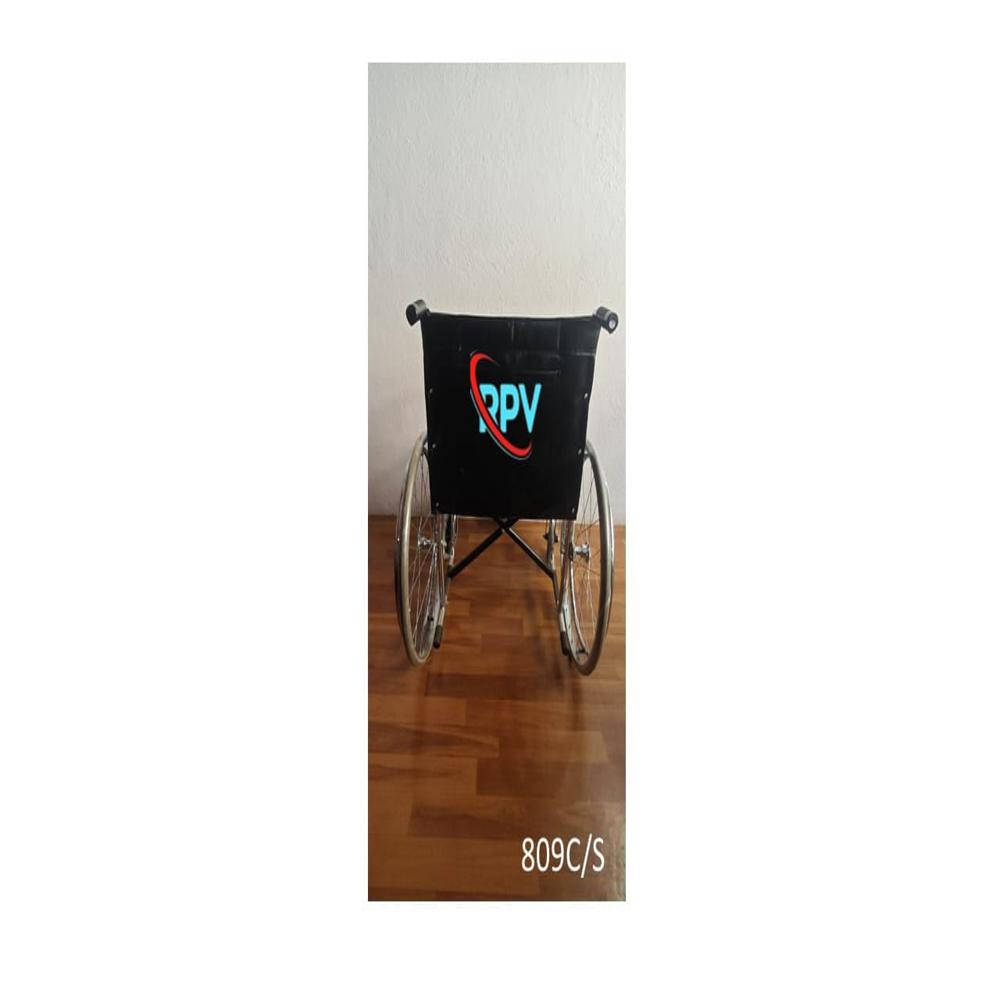
Wheel Chair
Price 5999.0 INR / Piece
Minimum Order Quantity : 1 Piece
Material : Other, Mild steel frame
Type : Other, Standard wheelchair
Foldable : Yes
Driven Mode : Manual
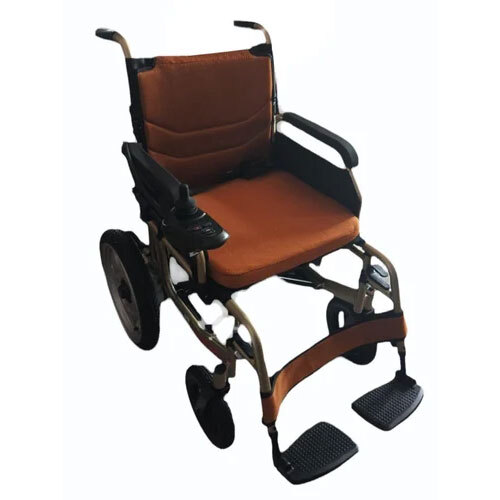
Brown Power Assist Wheel Chair
Price 15000 INR / Piece
Minimum Order Quantity : 1 Piece
Material : Mild Steel
Type : Other, Brown Power Assist Wheel Chair
Foldable : No
Driven Mode : Battery
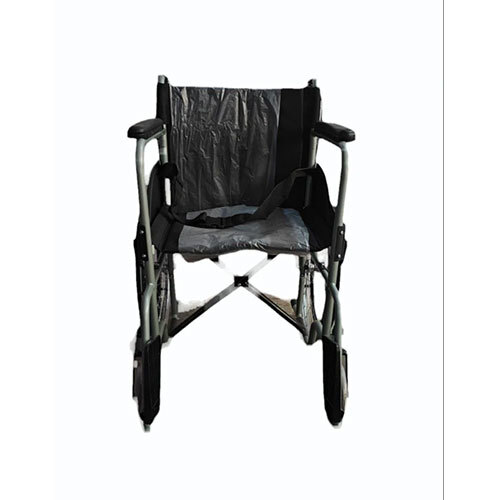
Black Aluminum Folding Wheel Chair
Price 6500 INR / Piece
Minimum Order Quantity : 2 Pieces
Material : Mild Steel
Type : Other, Black Aluminum Folding Wheel Chair
Foldable : Yes
Driven Mode : Manual
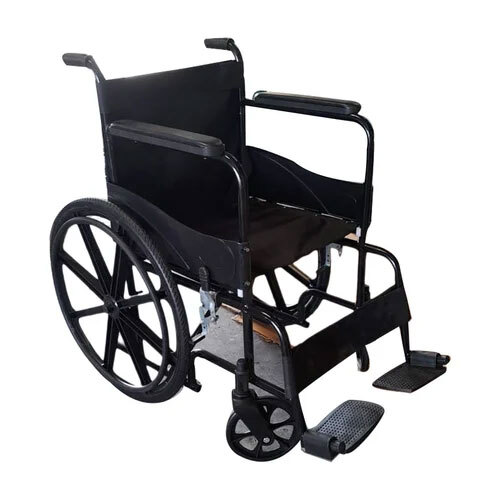
19inch Black Manual Wheel Chair
Price 6200 INR / Piece
Minimum Order Quantity : 1 Piece
Material : Other, Mild Steel
Type : Other, 19inch Black Manual Wheel Chair
Foldable : Yes

 Send Inquiry
Our Products
- Chair Spare Sprats
- Bar Stool
- Office Chair
- Visitor Chair
- Wheel Chair
- Revolving Chair
- Executive Chair
- Waiting Chair
- Boss Chair
- Writing Pad Chair
- Cafe Chair
- Chair Repairing Service
- Vertical Blinds
- Folding Wheelchair
- Cafeteria Chair
- Office Table
- Bar Chair
- Desk Bench
- Grinding Wheel
- Blind Installation Service
- Chick Blind
- Restaurant Chair
- Lounge Chair
- Furniture Repairing Services
- Aluminium Partition Work
- Sofa Set


No 10, 5th Cross, 1st Main Gokula 3rd Stage, Beside Rr School,Bengaluru - 560022, Karnataka, India

Mr Gopi
(DIRECTOR)
Mobile :07971671008
 Send Inquiry
 Call Me Free
Developed and Managed by Infocom Network Private Limited.
